




Career Guides
How to Find Seasonal Jobs Fast: Best Apps & Timing
Learn how to find seasonal jobs fast with the best apps, peak application timing, and insider tips on availability, pay, and shifts. Get hired before the rush.
Career Guides
December 18, 2025 | Muhammad Usama
You do not need a four-year degree to earn big. In 2026, the highest-paying skilled trades will favor people who show up, learn fast, and stack the right licenses and hours on the job.
You don’t need a four-year degree to earn big. In 2026, the highest-paying trades reward people who show up, learn fast, and stack the right licenses and hours - not framed diplomas on a wall.
The sweet spot is work that’s licensed, safety-critical, and hard to automate: electricians, HVACR techs, welders, plumbers, heavy equipment operators, industrial maintenance, and line crews. These jobs keep homes, businesses, and infrastructure running, blend hands-on skills with problem-solving, and remain in demand as experienced workers retire.
If you're willing to learn on the job and earn your credentials step by step, these trades can put you on a faster, clearer path to high income than many traditional degrees ever will.

Electricians handle the systems that keep homes livable, businesses running, and factories online. That can mean straightforward residential wiring, or complex electrical and control systems inside manufacturing plants and data centers. Because every site is different, the work rarely feels repetitive - you're constantly diagnosing problems, adapting to layouts, and dealing with real-world constraints.
Most people start with a paid apprenticeship, combining full-time work with classroom learning in electrical theory, blueprint reading, codes, and safety. After four to five years, you can become a journeyman electrician. From there, you can specialize or advance to master electrician status, unlocking higher pay and greater responsibility.
National averages vary by source and region, but most data now points to:
Apprentice electricians commonly earn in a broad range, and average around $49,600-$55,600 annually (roughly $24-$27/hr) while training, with top performers or union apprentices above that.
Journeyman electricians average about $64,700/year (about $31/hr), with typical ranges roughly $57,800-$71,400 depending on experience and location.
Industrial or specialized journeymen, especially in heavy manufacturing, utilities, or union roles, commonly report $90,000-$140,000+ per year, with some top earners well above that.
Master electricians or senior leads often exceed journeyman pay, with experienced masters and foremen averaging toward the upper end of the industry pay scale.
The work itself goes well beyond basic wiring. In residential and commercial roles you'll read prints, bend conduit, install panels, and troubleshoot faults under the National Electrical Code.
Work environments vary widely, from finished homes to loud factory floors or outdoor construction sites. Demand stays strong: electrical systems are everywhere, infrastructure is aging, experienced workers are retiring, and new projects-renewables, EV charging, data centers, automation-keep jobs plentiful.
Heating, ventilation, air conditioning, and refrigeration (HVACR) technicians are the pros who make indoor spaces comfortable and systems run reliably year-round. Whether it's keeping homes cool in summer, warming schools in winter, or maintaining refrigeration in hospitals and grocery stores, these techs are in demand.
Because systems vary widely from basic furnaces to smart controls and commercial chillers, no two days are exactly the same - you're troubleshooting, balancing airflow, and optimizing equipment on real job sites.
Most HVACR techs begin through trade school or apprenticeships, where they learn fundamentals like system installation, diagnostics, refrigerant handling, and safety practices. Many pursue certifications such as EPA Section 608 (required to work with refrigerants) and NATE (North American Technician Excellence), which help unlock better jobs and higher pay.
Median wages nationally are around $58,000-$60,000/year (about $28-$30/hr) based on recent BLS and salary aggregator data, with entry roles often starting closer to $40,000-$50,000.
Experienced technicians: especially those with advanced certifications (EPA 608, NATE) or working commercial/refrigeration systems - frequently clear $75,000-$90,000+, and supervisory or senior specialists can push above that in busy markets.
Technicians with deeper expertise in chillers, VRF (variable refrigerant flow), building automation systems, and energy-efficiency upgrades command better rates because those skills improve system performance and cut operating costs - exactly what building owners are willing to pay for in 2026.
With equipment becoming more energy-efficient and connected, and with steady demand for upgrades, replacements, and maintenance, HVACR remains a stable, year-round trade.
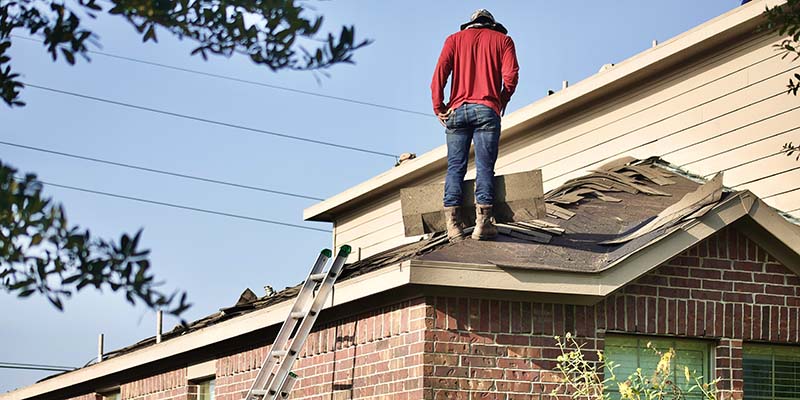
Lineworkers and substation technicians are at the core of keeping the electric grid running - and that's why this work tends to pay well and stay in demand.
The work itself goes well beyond digging holes or climbing poles. Lineworkers build, maintain, and repair the transmission and distribution lines that carry high-voltage power over long distances and into neighborhoods. Substation techs focus on the equipment that controls and protects that flow at key nodes along the grid. Because you're working with live wires, heavy equipment, and critical infrastructure, the skill level and risk are high, and compensation reflects that.
Most people start as apprentices, spending years learning pole climbing, transformer work, safety protocols, and equipment operation under experienced crews. A lineman apprentice in the U.S. now averages around $62,983 per year (about $30/hr), with top apprentices earning into the low $70,000s.
Once you're fully qualified, the pay climbs significantly. Transmission linemen nationally average around $84,031/year (≈$40/hr), with common ranges from about $72,760 to $91,700 depending on experience and location. Top earners exceed $98,000.
Substation technicians average about $62,558/year (≈$30/hr), with experienced journeymen reaching closer to $80,000 or more in some regions.
Demand remains strong because power delivery is critical and always under stress: aging infrastructure, storms, wildfire risk, grid hardening, renewable integration, and EV charging build-outs all keep utilities and contractors hiring. For anyone willing to put in the training and stack certifications (climb school, CDL, hot-stick work, live-line training), this field offers solid pay, long-term job security, and real skill growth without a four-year degree.
Welders and fabricators are the technicians who put metal together and make sure it stays that way - whether it's structural steel for buildings, piping for industrial plants, or precision parts for aerospace and heavy machinery.
In 2026, employers still pay a premium for people who hold multiple process certifications like SMAW (stick), GMAW (MIG), and GTAW (TIG), and who can pass advanced inspections like X-ray or ultrasonic testing. These credentials show you can meet the strict codes and quality standards that high-end jobs demand, and they help you move up the pay scale faster.
Welding pay can vary widely because experience, specialization, and industry matter a lot. According to recent data, the national average salary for welders across the U.S. is about $55,700 per year ($27/hr), with typical ranges from around $50,600 to $60,900 for many positions.
Entry-level welders often start in the $40,000-$50,000 range, while those who advance to mid-level and specialized roles - including structural welding, pipe welding, or coded fabrication - commonly see pay in the $60,000-$75,000 neighborhood. Experience plus certifications can push annual earnings higher, especially in sectors like energy, heavy fabrication, and aerospace, where quality and precision are mission-critical.
Beyond welding itself, employers also value people who can read isometrics, interpret blueprints, layout assemblies, and handle fit-up work before the torch ever strikes. Adding fabrication skills - cutting, measuring, and assembling - broadens your job opportunities and can move you into foreman or specialist pay tiers sooner than weld-only roles.
Work settings vary from shop floors and construction sites to industrial plants and field projects. Although overall employment growth for welders is modest, steady demand persists across manufacturing, infrastructure maintenance, and energy sectors.
Plumbers and pipefitters keep water, gas, hydronics, and fire-suppression systems running - from homes to complex commercial and industrial piping networks. In 2026, the most valuable techs stack certifications like medical gas and backflow testing, and commercial fitters with orbital welding or BIM skills command higher pay.
Most start with a paid apprenticeship, learning installation, safety, blueprint reading, and code compliance. Many states require licensure to work independently. The U.S. Bureau of Labor Statistics reports a median annual wage of $62,970, with the top 10 % earning over $105,000. Salary aggregator data shows averages around $33/hour ($60,000+ annually), with higher pay in union or high-cost markets.
Daily work ranges from routine service calls and leak fixes to installing and maintaining complex systems for gas, water, HVAC, and fire suppression. Handling backflow, cross-connection control, or medical gas requires extra certification and pays more. Commercial and industrial roles also reward those who can read isometrics, work with automation controls, or perform orbital welding.
Demand stays steady because plumbing systems are essential everywhere, infrastructure is aging, and new construction or retrofits continue.
Heavy equipment and diesel technicians keep the machines that move America running - from bulldozers and cranes on construction sites to Class 8 trucks in freight fleets.
In 2026, technicians who can diagnose with modern scan tools, troubleshoot electrical systems, and maintain complex diesel engines stand out. Adding a CDL or mobile field-service capability increases your value because employers pay for flexibility and responsiveness.
Pay depends on role, experience, and location. Diesel service technicians and mechanics nationally earn a median of about $60,640/year (~$29/hr), with the lowest 10 % under $42,000 and the highest 10 % over $85,000. Heavy equipment mechanics average around $32/hr nationwide, with top regional pay above $70,000/year, and in states like California, averages hover around $66,000/year.
Training comes through trade school programs and on-the-job apprenticeships, covering mechanical systems, hydraulics, diesel engines, and increasingly complex electronics. Diagnostics and electrical troubleshooting separate top earners from basic parts-swappers. Technicians who can travel to job sites or hold additional credentials like CDL Class A are especially valued.
Daily work is hands-on and varied: reading schematics, interpreting fault codes, replacing worn components, and keeping fleets or equipment operational. While job growth is slower than in some trades, demand remains steady because downtime is costly and skilled technicians are hard to replace.

Factories and industrial plants rely on people who can install, maintain, and repair heavy machinery - that's where millwrights and mechatronics techs come in. Millwrights specialize in aligning shafts, setting conveyors and presses, and keeping mechanical systems running smoothly.
Mechatronics techs add mechanics, basic programming, sensors, and control troubleshooting, increasingly valuable as equipment becomes smarter and more automated.
Millwrights typically train through apprenticeships or on-the-job programs, mastering rigging, precision alignment, and mechanical troubleshooting. According to the U.S. Bureau of Labor Statistics, industrial machinery mechanics and millwrights have a median annual wage of about $63,510, with millwrights around $65,170.
Job growth is projected to be above average due to manufacturers' need to maintain complex equipment. Salary sites report some millwright positions exceeding $68,000, especially in strong industrial regions.
Mechatronics technicians, who work at the intersection of mechanical systems and electronic controls, earn roughly $58,700 per year, with typical ranges of $51,600-$66,600 and higher in manufacturing-heavy states like Michigan.
Daily work goes beyond wrench-turning: reading precision prints, installing and aligning machinery, troubleshooting sensors and servos, and fixing electrical or control issues. Techs with combined mechanical and control skills are harder to replace and command higher pay.
For hands-on problem solvers willing to keep learning programming basics, safety lockout/tagout, and advanced diagnostics, millwright and mechatronics work offers steady demand and strong pay without a four-year degree.
If you want to get ahead in the trades, certifications are your ticket. The fastest way in is usually a registered apprenticeship. You work full time while taking classes in the basics - electrical theory, plumbing, HVAC, reading blueprints, safety, and code rules.
Most apprenticeships have set work hours and pay steps. Finish one, and you'll walk away with a portable credential. If your sponsor covers tuition, you can start your career with zero debt.
Next up: state or city licenses. Electricians, plumbers, and HVAC techs need them in most places. Passing these exams doesn't just make you legal to work - it often bumps up your pay right away.
Don't forget the manufacturer and safety cards. These include things like OSHA 10 or 30, aerial lift, confined space, lockout/tagout, EPA 608 for HVAC, or NCCCO for cranes. They show employers you can handle tough or risky work safely.
Some jobs call for special process certifications. Welding codes, medical gas, backflow testing, and PLC micro-credentials are all extra skills that put you ahead.
The key is stacking them over time. Start with the basics - apprenticeship and state license - then layer on safety cards and special certs as you go. Each new credential makes you more valuable, helps you land better jobs, and pushes your pay higher than people without them.
The trades don't just pay well now - there's room to grow. A field tech can move up to estimator or commissioning specialist, which means you can start quoting jobs or signing off on systems. A journeyman can step up to foreman or superintendent, managing crews and schedules for more responsibility and better pay.
Experienced techs can also become trainers, teaching new hires while keeping some billable hours. If you've got the right licenses and customer connections, you can even go owner-operator, turning your service truck into a small business.
These jobs are steady because the work is essential, licensed, and time-sensitive. By 2026, the top earners will be the ones who keep learning, pick up key certifications, follow safety rules, and keep clean records.
The trick is simple: pick a path, stack your skills and credentials, stay reliable, and always look for ways to take on more responsibility. Do that, and the trades can give you a stable, well-paying career without needing a four-year degree.
Education Programs
November 8, 2025
Career Training
November 5, 2025
Career Training
October 26, 2025
Certifications
October 13, 2025
Career Guides
Learn how to find seasonal jobs fast with the best apps, peak application timing, and insider tips on availability, pay, and shifts. Get hired before the rush.
Career Training
You want a bootcamp that leads to a real job, not vibes. Focus on verified outcomes, employer alignment, and a format you can actually finish. Here is a clean way to shortlist programs that convert offers.
Education Programs
Explore self-paced online colleges designed for working adults. This guide lists flexible online colleges, explains work-friendly features of degree programs, and provides a research strategy for adult learners' online education.
Career Guides
You do not need a perfect resume to land your first remote job. You need proof you can do the work, clean applications, and a short list of legit places to hunt.
Certifications
Discover the best beginner IT certifications to launch your tech career, including key entry-level IT certificates and practical CompTIA alternatives for starting an IT career.
Certifications
You are choosing between TEFL and TESOL and want the quickest, legit path to teach English. Here is a clean side-by-side so you know what each certificate means, who accepts it, and what you will actually pay .